
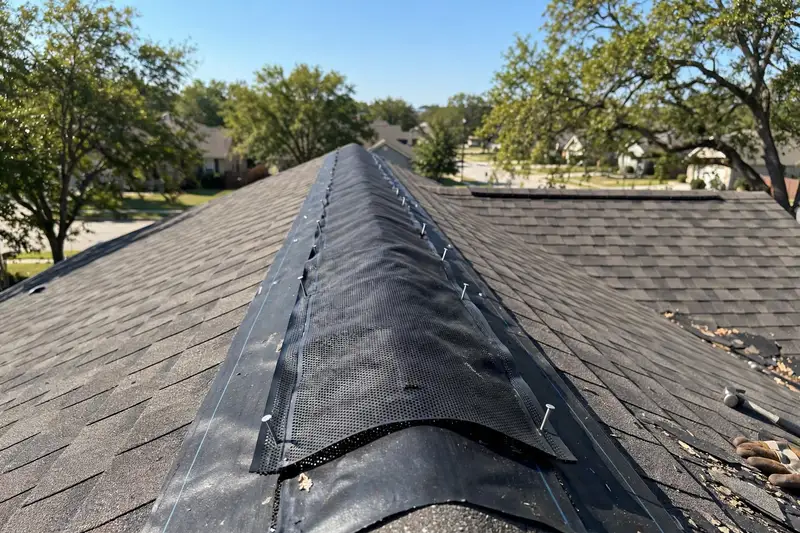
Balanced intake and exhaust — the attic stops baking the roof
Roof Ventilation Installation in Dallas TX, Balanced for Attics
A Dallas attic gets hot — the roof surface reaches 150–170°F in a Texas summer, and the attic under it can be hotter still. Ventilation is the work of moving that heat out: intake at the soffits, exhaust at the ridge, so the air flows through the attic instead of sitting under the roof and baking the shingles from below. We size ventilation to the attic, and balance it, so the air moves properly.
Open 24 hours, every dayItemised written quotePhotos at every stage
What's included
What ventilation installation includes
A ventilation installation is a balance: the intake opened at the soffits, the exhaust fitted at the ridge, and the air channel between them made open. The scope is written down before the work starts.
Sized to the attic
The vent area is sized to the attic volume, not guessed. A larger attic needs more vent area, and the installation is scoped on the attic in front of us.
Balanced intake and exhaust
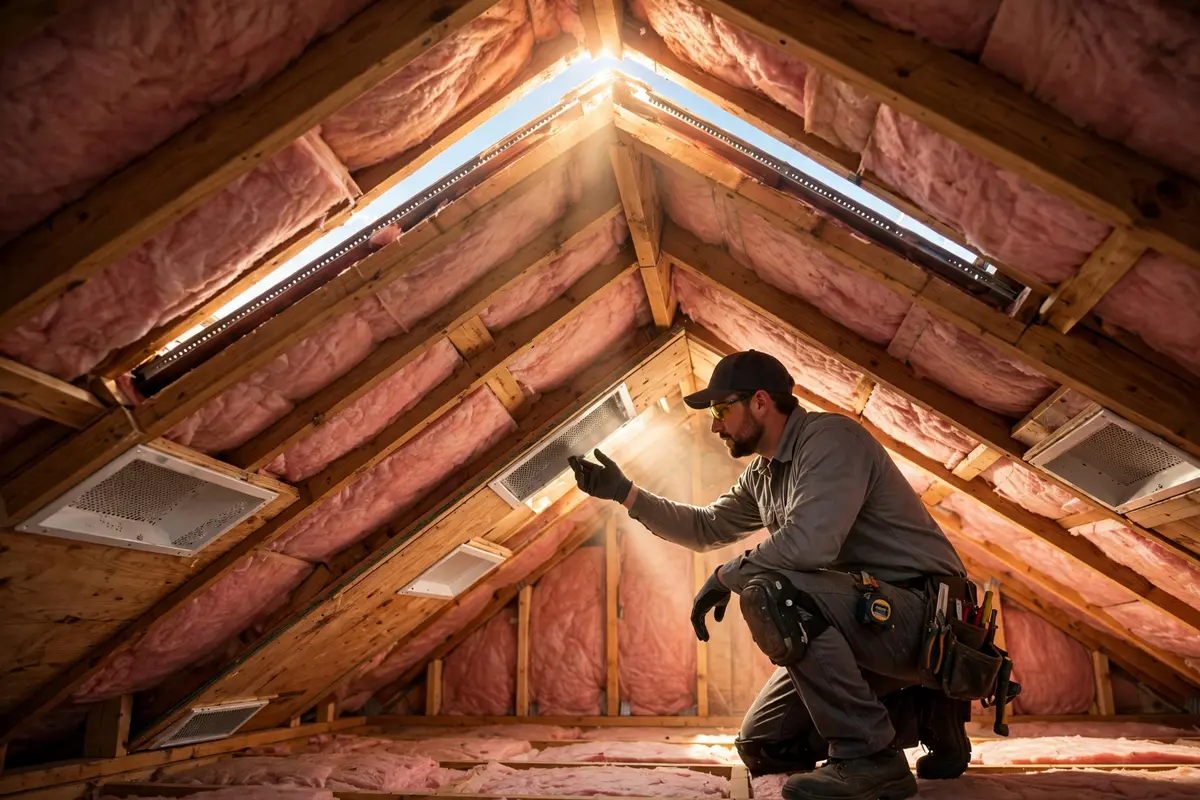
Intake at the soffits, exhaust at the ridge, so the air flows through the attic. An exhaust with no intake starves, and an intake with no exhaust bakes.
Ridge vents
The standard exhaust for most Dallas roofs: a continuous vent along the peak, hidden under the cap shingles, with the slot cut to the manufacturer's width.
Soffit intake opened
Soffit vents that are painted shut or blocked are opened and cleared, and the baffles are checked, so the air has a way into the attic.
Attic temperature measured
The attic temperature is measured before and after, so the improvement is shown in numbers, not guessed.
Documented throughout
Photos of the vents, the attic and the baffles, so you can see what the ventilation was and what it is now.
Service overview
What roof ventilation installation in Dallas actually involves
Roof ventilation installation in Dallas is the fitting of intake and exhaust vents to a roof, so the air flows through the attic and carries the heat out. The work is sized to the attic volume and balanced between soffit intake and ridge exhaust, because a vent that has no intake starves, and an attic that has no exhaust bakes.
A Dallas attic gets hot — in a Texas summer the roof surface reaches 150–170°F, and the attic under it can be hotter still. Ventilation is the work of moving that heat out: intake at the soffits, exhaust at the ridge, so the air flows through the attic and out, instead of sitting under the roof and baking the shingles from below. The balance matters: too little intake and the ridge vents starve, too much exhaust and the air is pulled from the house. A ventilation installation is sized to the attic, not guessed.
How we workWe verify the cause, compare realistic options, and confirm the work before we leave.
The service timeline
What to expect during your ventilation installation
The order is the same on every ventilation job, whatever the roof.
Inspection
We measure the attic temperature, check the intake and exhaust that are already there, and look at the baffles and the insulation. You get photos and a written scope.
Scope
The written scope names the vent type, the intake work and the exhaust work, so the balance is agreed before anything is cut.
Intake
The soffit vents are opened and cleared, the baffles are checked, and the air channel from the eave to the ridge is made open.
Exhaust
The ridge slot is cut, the vent is fitted, and the cap shingles are re-set over it, fastened at the manufacturer's pattern and depth.
Check and walkthrough
The attic temperature is measured again, the airflow is checked, and you receive the photos of the vents and the attic before and after.
Tools & methods
Tools and methods we use on your ventilation
Ventilation tools are for cutting and measuring — the slot, the thermometer and the baffle check, in that order.
Circular saw and ridge vent cutter
Cuts the slot along the ridge for the vent, at the width the vent manufacturer specifies, so the exhaust is open and the cap shingles sit properly over it.
Soffit vent saw
Opens the soffit intake at the eaves, where the air enters the attic, and clears the baffles so the air can reach the ridge.
Attic thermometer
Measures the attic temperature before and after, so the improvement is shown in numbers, not guessed.
Baffle and insulation check
Checks that the insulation is not blocking the soffit intake, and that the baffles keep the air channel open from the eave to the ridge.
Roofing nail gun
Fastens the cap shingles over the ridge vent at the manufacturer's pattern and depth, so the vent holds in a 115 mph design wind.
Vent sizing chart
Sizes the intake and exhaust to the attic volume, so the balance is worked out in numbers, not guessed.
Baffle check
Checks that the baffles keep the air channel open from the eave to the ridge, so the intake air reaches the exhaust.
Use cases
When Dallas homeowners call us for ventilation
These examples show how ventilation is balanced — intake and exhaust together.
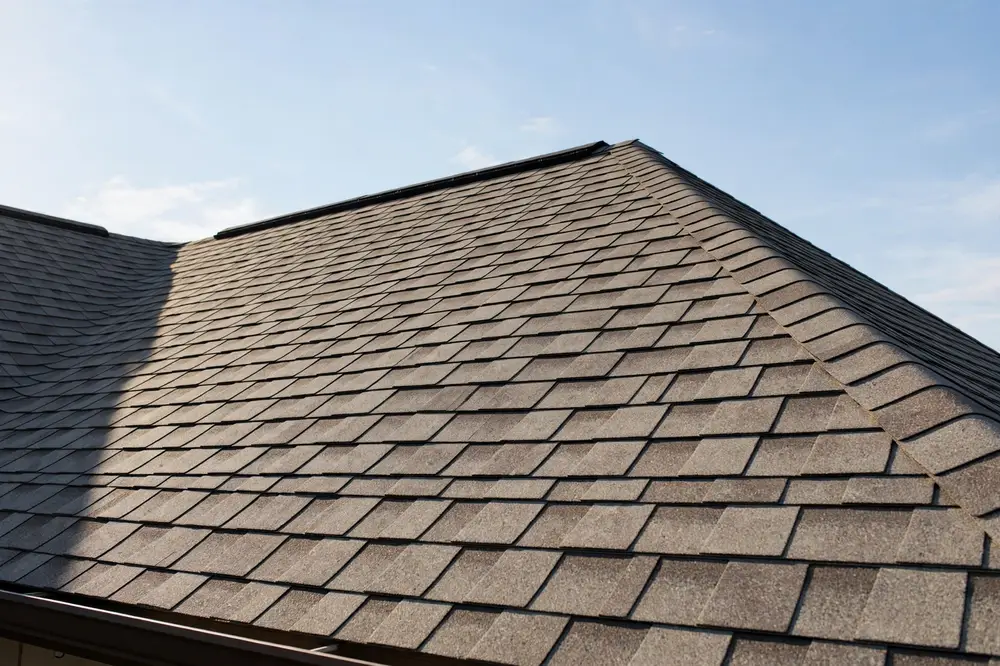
Ridge vent in North Dallas
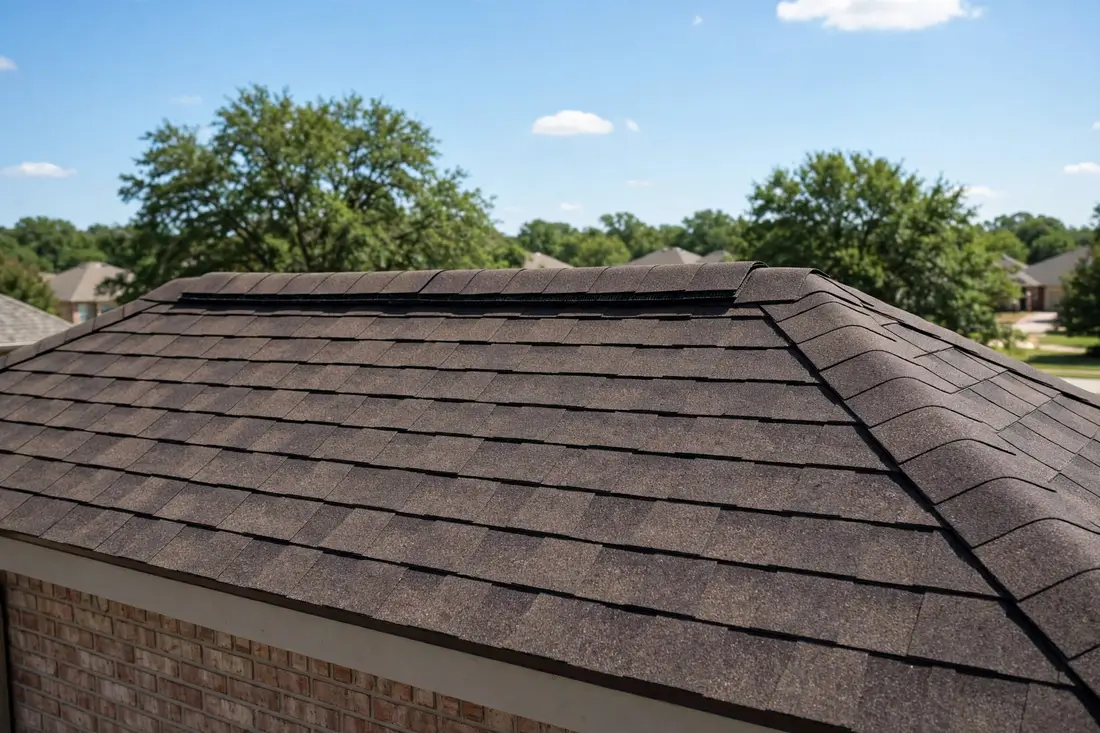
A two-story home with a hot attic and no exhaust at the ridge. A ridge vent was cut along the peak, the cap shingles were re-set over it, and the soffit intake was checked to make sure the air had a way in.
Soffit intake in Oak Cliff
A 1920s bungalow where the soffit vents were painted shut years ago, starving the attic of intake. The soffit vents were opened and cleared, the baffles were checked, and the air began to move again.
Problems we solve
Problems ventilation solves for Dallas homes
Most ventilation calls are one of these four. Each one is an attic that is too hot, or air that is not moving.
Attic hotter than the roof
We add exhaust at the ridge and open the intake at the soffits, so the air flows through the attic and carries the heat out.
Shingles baking from below
A hot attic bakes the shingles from underneath and shortens their life. Ventilation takes the heat out of the attic.
Cooling bills climbing
A hot attic heats the rooms below it. Moving the heat out takes the attic load off the cooling system.
Moisture in the attic
Air that does not move holds moisture against the decking. Ventilation moves the air through, so the attic dries.
Cost factors
What shapes the cost of ventilation in Dallas
ATTIC SIZE, VENT TYPE, AND THE SOFFIT INTAKE
Attic size
A larger attic needs more vent area, and the installation is sized to the attic volume, not guessed.
Vent type
Ridge vents, turbine vents and box vents carry different material and labour costs, and the choice depends on the roof shape and the attic.
Soffit intake work
If the soffit vents are painted shut or the baffles are blocked, opening the intake is part of the job. An exhaust with no intake starves.
Customer reviews
What Dallas Homeowners Say
★★★★★
“the main reason was trust. i felt confident because the process was explained clearly, from tear-off to underlayment to new shingles and ventilation, and i liked knowing the benefits of the shingles i had picked.”
How do I know if my attic needs more ventilation?
A hot attic in summer is the sign — and a Dallas attic in summer can be hotter than the roof surface. Ventilation moves the heat out, and the inspection measures the attic temperature and checks the intake and exhaust that are already there. If the attic is hot and the air is not moving, ventilation is the answer.
How much does roof ventilation installation cost in Dallas?
It depends on the attic size, the vent type, and whether the soffit intake needs opening. A ridge vent on a straightforward roof is a small job; a full intake-and-exhaust balance on a complex roof is a bigger one. We inspect first and give you an itemised written quote for the installation as scoped.
Ridge vents or turbine vents — which is better?
Ridge vents are the standard exhaust for most Dallas roofs: a continuous vent along the peak, hidden under the cap shingles. Turbine vents and box vents suit roofs where a ridge vent does not fit. The choice depends on the roof shape and the attic — and the intake at the soffits matters as much as the exhaust at the ridge.
Can too much ventilation cause problems?
Yes, and it is the most common mistake in ventilation: exhaust added without intake. A ridge vent with no soffit intake starves, and the air is pulled from the house through the ceiling. The installation balances the two — intake at the soffits, exhaust at the ridge — so the air flows through the attic.
Related services
Other roofing services we handle
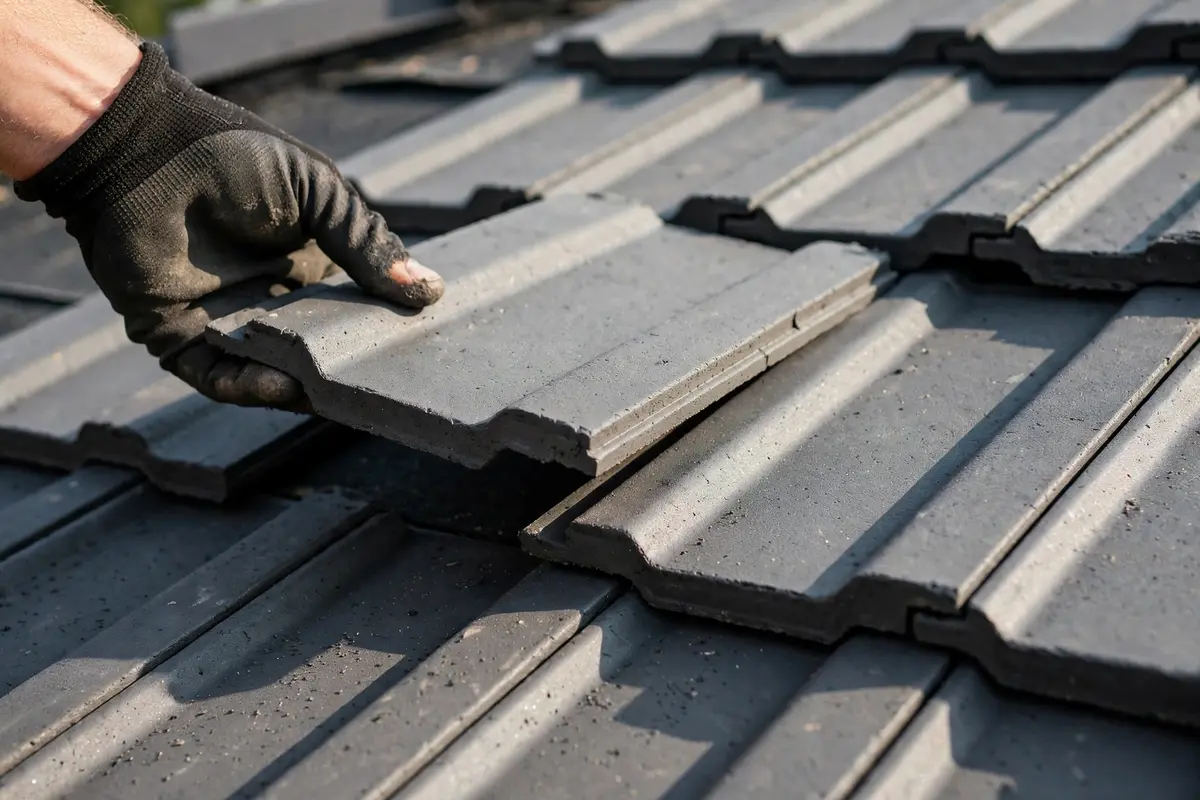
Roof Replacement
Ventilation is fitted when the roof is replaced, and the intake and exhaust are sized to the new roof. A replacement is the right time to balance the attic.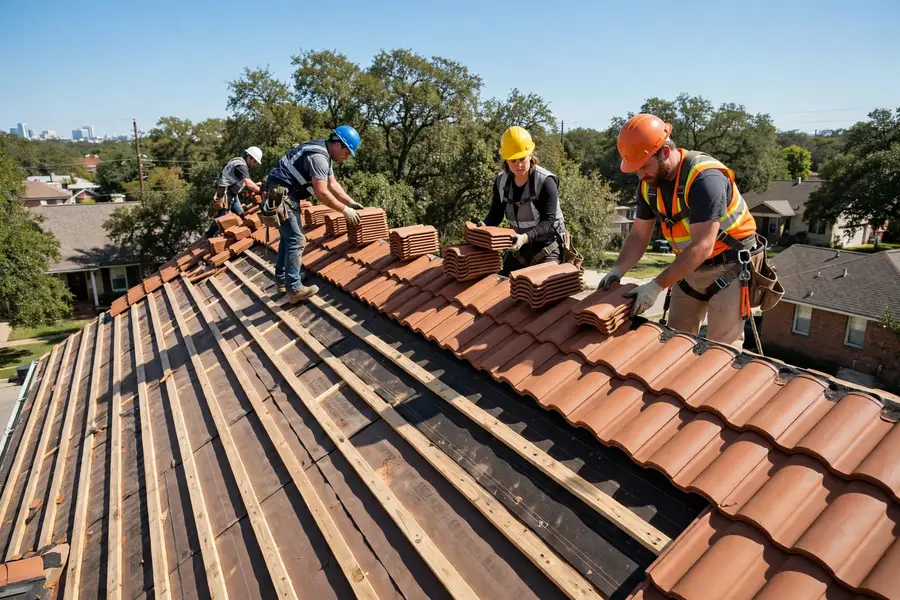
Roof Installation
A new roof is the right time to get the ventilation right. The intake and exhaust are sized to the attic, and the vents are fitted as the roof goes on.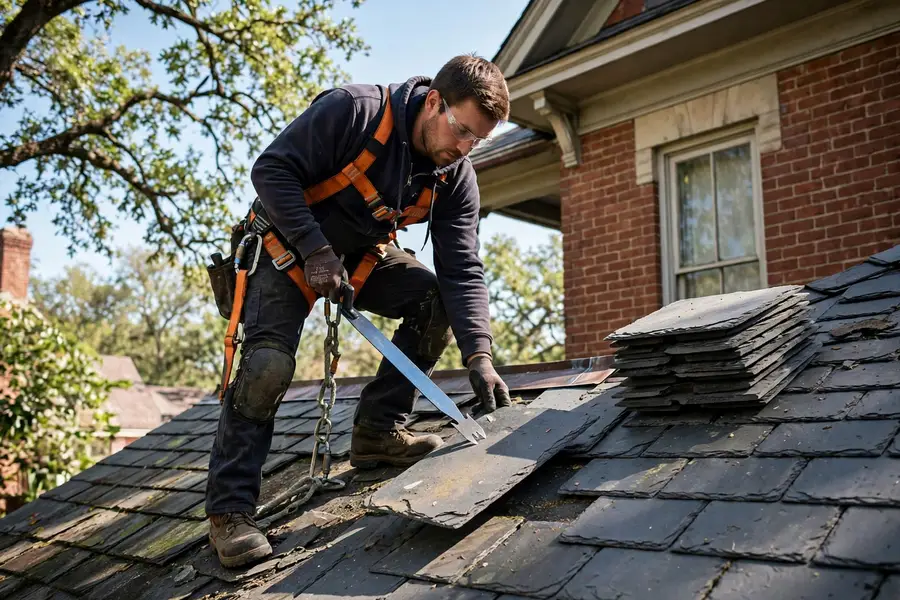
Soffit and Fascia Repair
Fascia and soffit carry the intake vents, and a soft fascia cannot hold them. Fascia and soffit repaired before the vents go in.Ready when you are
Get your roof ventilation Dallas TX quote
An inspection, photos, and an itemised written quote for the ventilation installation as scoped. Call (469) 960-7533 and tell us about your attic.
Talk with the local team
Request Roof Ventilation Installation
Call us at (469) 960-7533 or send a message and we will get back to you. We are open 24 hours, every day. Tell us about the attic — how hot it gets, what vents are there now — and we will give you a straight answer on what it needs.